
How Cuts in Cats Can Be Treated
Cats are curious by nature, and their adventurous spirit sometimes puts them in situations where they get hurt. Whether your cat enjoys climbing trees, exploring the outdoors, or even tussling with another animal, cuts in cats can happen unexpectedly. When they do, pet owners often feel concerned and unsure of what steps to take next. This blog will explore why cuts occur, how they are evaluated, and how veterinarians treat them to help provide you with peace of mind if your cat ever comes home with an injury. At Frontier Veterinary Urgent Care in Greenfield, WI, we are familiar with cases involving cuts in cats. Our team is here to explain what pet parents can expect when their cat needs medical attention for wounds. If your cat has been injured, call us right away at 262-226-2055.
Common Causes of Cuts in Cats
Cuts in cats can occur in many different situations. Some are the result of accidents, while others may stem from interactions with other animals or environmental hazards.
Outdoor Hazards
Cats that spend time outdoors are more likely to encounter sharp objects like branches, fences, or even discarded debris. These hazards can easily create cuts in cats that range from small scrapes to deeper wounds.
Animal Interactions
Cats may fight with neighborhood cats or wildlife, leading to bite wounds, scratches, and tears in the skin. Even playful encounters can sometimes result in injuries.
Household Risks
Indoor cats are not immune to cuts. Household items such as sharp corners, broken glass, or even certain toys can cause minor injuries. These cuts in cats may seem less severe but still require veterinary evaluation.
How Veterinarians Assess Cuts in Cats
When you bring your cat to Frontier Veterinary Urgent Care, our team carefully evaluates their condition. Not all cuts in cats are the same, and a thorough assessment helps us determine the best treatment plan.
Wound Depth and Location
One of the first things veterinarians check is the depth of the wound. Cuts that are superficial may heal faster, while deeper cuts in cats can involve underlying tissue or muscle. The location of the cut also matters. Injuries near joints, eyes, or the mouth often require more specialized care.
Risk of Infection
Cuts in cats can become infected quickly, especially if bacteria are introduced through dirt, saliva, or debris. Our team looks for signs of swelling, redness, or discharge that might indicate infection.
Your Cat’s Overall Health
In addition to examining the wound, we’ll also consider your cat’s overall health. Cats with compromised immune systems or underlying health conditions may require a different approach to treatment.
What to Expect When Your Cat Needs Treatment for Cuts
Once we have assessed the wound, we move forward with treatment. The specific care your cat needs depends on the severity of the injury.
Cleaning and Debridement
Most cuts in cats require careful cleaning to remove bacteria and debris. We may also perform debridement, which involves removing damaged tissue to promote healing.
Sutures or Staples
If the cut is deep or wide, stitches or staples may be used to close the wound. This helps the skin heal properly and reduces the risk of infection.
Pain Relief and Medications
Cuts in cats can be painful, and managing discomfort is part of treatment. Our team may provide pain relief and prescribe antibiotics if there is a risk of infection.
Bandaging and Follow-Up Care
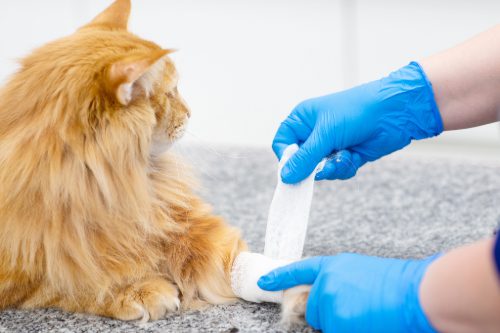
Some cuts in cats require protective bandages. These help keep the area clean and give the wound time to heal. Regular follow-up visits ensure that the injury is healing correctly.
The Dangers of Cuts in Cats
Even small cuts in cats can develop complications if they are not treated promptly.
Infections
One of the most common complications is infection. Cats have bacteria in their mouths and claws, and if these enter the wound, it can become inflamed and painful.
Abscesses
If a cut becomes infected, an abscess may form. This pocket of pus can cause swelling, fever, and discomfort. Veterinary treatment is necessary to resolve it.
Delayed Healing
Without proper treatment, cuts in cats may take longer to heal. This can lead to scarring, ongoing discomfort, or further complications.
Tips for Preventing Cuts in Cats
While it’s not possible to prevent every injury, there are steps you can take to reduce the likelihood of cuts in cats.
- Keep household hazards such as broken items, sharp tools, or dangerous objects out of your cat’s reach. Regularly check your home for risks that could cause cuts in cats.
- If your cat goes outdoors, supervised play in a secure enclosure can help limit exposure to sharp objects, fights, or dangerous wildlife.
- Regular veterinary checkups help catch health concerns early. A healthy immune system supports your cat’s ability to heal from cuts and other injuries.
When Should You Seek Veterinary Care for Cuts in Cats?
It can sometimes be difficult to know when an injury requires urgent attention. As a general rule, you should contact Frontier Veterinary Urgent Care if you notice:
- A wound that is bleeding heavily or will not stop
- Cuts that appear deep or involve muscle tissue
- Injuries near the eyes, mouth, or joints
- Signs of infection, such as swelling, redness, or discharge
- Behavioral changes like lethargy, hiding, or decreased appetite
Even if a cut looks minor, a veterinary exam ensures your cat receives the appropriate care. Call us anytime at 262-226-2055 if you’re unsure about your cat’s injury.
Supporting Your Cat’s Recovery
Once your cat has received treatment, recovery is an important phase. Cuts in cats heal best when pet owners follow their veterinarian’s instructions for care and monitoring. Providing a stress-free environment, watching for changes, and attending follow-up appointments all contribute to healing. At Frontier Veterinary Urgent Care in Greenfield, WI, we are committed to helping cats recover comfortably and safely from injuries. If your cat has suffered a cut, reach out to us at 262-226-2055. Our team is ready to provide the care your cat needs, day or night.