Why Is My Dog’s Face Swollen?
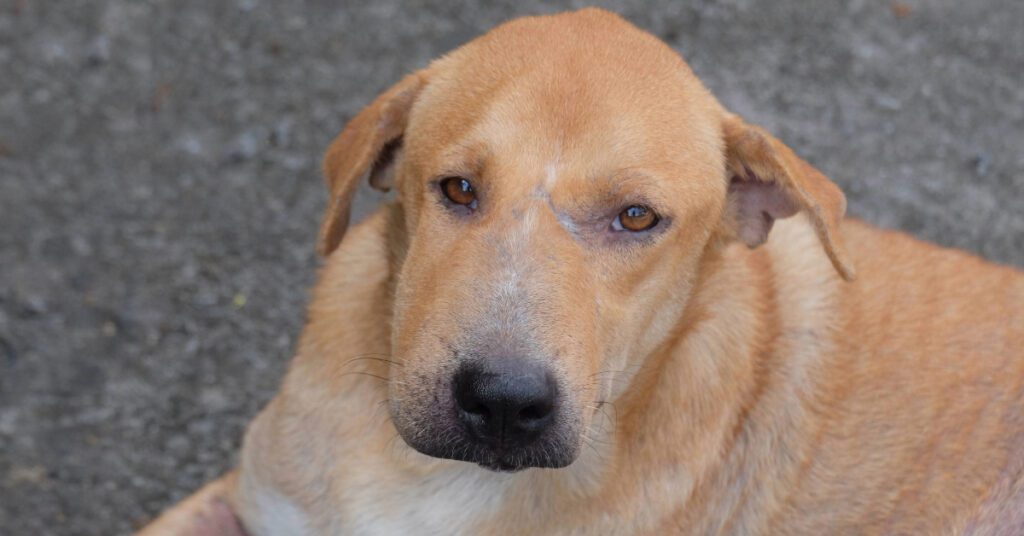
Your dog looks up at you with one eye half shut and a muzzle that seems twice its usual size. A dog swollen face most often comes from an allergic reaction, an insect sting, a dental infection, or an injury, and how fast the swelling appears says a lot about how urgent it is. Swelling that develops within minutes or hours, or that involves the lips, tongue, or throat, calls for a prompt call to a veterinarian. Dogs cannot tell us where it hurts, so your observations about timing and location become the most valuable clues. Because the cause might be a harmless bug bite or a life-threatening allergic response, guessing rarely helps. Even a mild-looking puffy face can hide a tooth abscess or a developing infection that responds best to early treatment. Puffiness is only the symptom. The cause underneath decides what happens next.
What Causes Facial Swelling in Dogs?
Facial swelling has several common sources, and most of them fall into a few broad groups.
Allergic Reactions and Insect Stings
Allergic reactions top the list. When a dog’s immune system overreacts to a trigger, fluid collects under the skin and the face puffs up, often around the eyes, lips, and muzzle. Itching and hives may appear alongside the swelling. A dog’s swollen face after a bee or wasp sting is a classic example, and the reaction can build quickly. Food allergies and contact reactions can cause the same puffiness, though they often appear more gradually. Common triggers include:
- Insect stings and spider bites
- New foods or treats
- Medications or vaccines
- Pollen, mold, and other environmental allergens
- Contact with certain plants or chemicals
Dental Disease and Infection
A tooth root abscess can send swelling across the cheek or beneath the eye, often with bad breath, drooling, or a reluctance to chew. Bacterial infections of the skin or gums, along with abscesses from bite wounds, can also inflate the face. These infections rarely clear without veterinary treatment, and they can spread if left alone. Dogs with dental pain often hide it well, so the swelling may be the first sign anyone notices.
Injuries, Growths, and Other Causes
Blunt trauma, a stick lodged in the mouth, or a foreign object such as a grass seed can swell nearby tissue. Even a minor scrape from rough play can become infected and puff up. Tumors, cysts, and salivary gland problems tend to cause swelling that grows slowly rather than suddenly. Immune-related conditions can also inflame the jaw muscles and change how a dog’s face looks. Since so many causes look alike on the surface, an exam is the only reliable way to sort them out.
When Is a Swollen Face in Dogs an Emergency?
Some facial swelling can wait for an appointment the next day, but certain signs mean you should go now.
Red-Flag Symptoms
Head to Frontier Veterinary Urgent Care right away if you notice swelling together with any of these signs:
- Trouble breathing, noisy breathing, or gasping
- Swelling of the lips, tongue, or throat
- Vomiting, diarrhea, or collapse
- Pale or bluish gums
- Hives spreading across the body
- Severe pain, or an inability to open or close the mouth
- Swelling that grows noticeably within minutes
Why Timing Matters
Severe allergic reactions can swell the airway and affect the whole body, a situation called anaphylaxis. Dogs can worsen quickly, so waiting to see whether swelling improves can cost precious time. Swelling that blocks the airway is the main reason veterinarians treat sudden puffiness as urgent until proven otherwise. At Frontier Veterinary Urgent Care in Greenfield, WI, we take a dog with a swollen face seriously, because the cause is rarely obvious from the outside. Please do not give human antihistamines or other medications without veterinary guidance, since the wrong product or dose can harm a dog.
Swelling That Still Deserves a Call
A puffy face that appears slowly, causes no breathing trouble, and leaves your dog eating and playing is less urgent, but it still needs an exam within a day. Persistent swelling, a lump that keeps growing, or swelling that returns again and again points to an underlying problem worth investigating.
Getting Your Dog Seen Safely
Call ahead if you can, so the team can prepare for your arrival. Keep your dog calm and avoid pressing on the swollen area, which may be painful. If your dog may have eaten or chewed something unusual, bring the packaging, and note the time the swelling began.
What Can the Location of the Swelling Reveal?
Where the swelling sits offers useful hints, although only an exam can confirm the cause.
Around the Eyes and Muzzle
Swelling that puffs both eyelids, the lips, and the muzzle, sometimes with hives, often points to an allergic reaction. A dog with a swollen face on both sides at once is a pattern veterinarians commonly associate with allergies, though other causes remain possible. Dogs may also rub their faces on carpet or furniture, which can make the area look even more irritated.
Beneath the Eye or Along the Cheek
A firm or tender swelling just below one eye, or along one cheek, can signal an infected tooth root. Dogs with this problem may drop food, paw at the mouth, or pull away when you touch the area. When a dog’s face shows up swollen on one side only, a localized cause such as a sting, a wound, or an abscess becomes more likely.
Under the Jaw and Down the Neck
Swelling beneath the jaw may involve lymph nodes, salivary glands, or an abscess. Enlarged lymph nodes can accompany infections and other illnesses, so these lumps deserve a prompt look. Note the location, the side, and the timing before you call, because those details are exactly what your veterinarian will ask about first.
Why Details Help the Diagnosis
Veterinarians read the pattern of swelling alongside your dog’s history. Did the swelling start after a walk, a meal, or a new product? Is your dog pawing at the face, rubbing against furniture, or avoiding food? Each answer narrows the list of possible causes. A short phone video or photo taken as the swelling progresses can capture changes that are hard to describe afterward.
How Can Owners Lower the Risk of Facial Swelling?
You cannot prevent every swollen face, but a few steady habits reduce the odds.
- Schedule regular dental exams and cleanings
- Supervise walks near flowering plants, beehives, and wasp nests
- Introduce new foods and treats one at a time
- Remove sticks and hard chews that can injure the mouth
- Write down any food, plant, or product linked to a past reaction
Dental Care and Checkups
Dental disease is a leading cause of facial infections, so routine exams catch problems before an abscess forms. Ask your veterinarian how often your dog should have a dental evaluation, since the right schedule depends on age, breed, and overall health. If your veterinarian recommends brushing at home, it supports the same goal.
Know Your Dog’s Triggers
If your dog has reacted before, tell your veterinarian every detail. A written record of what happened, when it happened, and how quickly the swelling appeared helps the team identify patterns. For dogs with a history of reactions, ask your veterinarian ahead of time what to do if it happens again, so you are never improvising in the middle of a crisis.
Everyday Safety Habits
Stick to supervised outdoor play, choose chews that suit your dog’s size, and store garden chemicals and toxic plants out of reach. These small choices cannot guarantee a swollen face in dogs never happens, but they remove several common triggers from your dog’s daily routine. Dogs that love to dig or sniff through brush are more likely to meet stinging insects or sharp seed heads, so a quick look at the face and paws after outdoor time can catch problems early.
Questions Owners Ask About a Puffy Dog Face
A few questions come up again and again when swelling appears, so here are short, direct answers.
Can a dog’s swollen face go away on its own? Mild swelling from a minor sting sometimes fades, but you cannot identify the cause by looking, so a veterinary check is the safest route. Swelling that lingers or keeps growing always needs an exam.
Is it safe to give my dog an antihistamine? Please ask a veterinarian first. Products and doses made for people can be dangerous for dogs.
How quickly can facial swelling become dangerous? Allergic reactions can progress within minutes to a few hours, especially when swelling reaches the lips, tongue, or throat.
Where can I take my dog if swelling appears suddenly? An urgent care team such as Frontier Veterinary Urgent Care in Greenfield, WI, can examine facial swelling that cannot wait for a regular appointment. Call us at 262-226-2055.