
Why Is My Cat Hiding All of a Sudden?
A cat hiding all of a sudden is either stressed or hurting, and from the outside the two look exactly alike. Stress usually traces back to a change at home, such as a visitor, a loud noise, or a shifted routine. Pain and illness trace back to the body, and cats are remarkably good at concealing both until a problem is well underway. That is why a cat hiding for more than a day deserves to be taken seriously. Veterinarians at Frontier Veterinary Urgent Care in Greenfield, WI, see the same pattern again and again: an owner notices a cat vanishing, assumes the mood will pass, and arrives days later with an illness that has moved further than anyone expected. The difference between a passing mood and a medical issue often comes down to timing, appetite, and litter box habits.
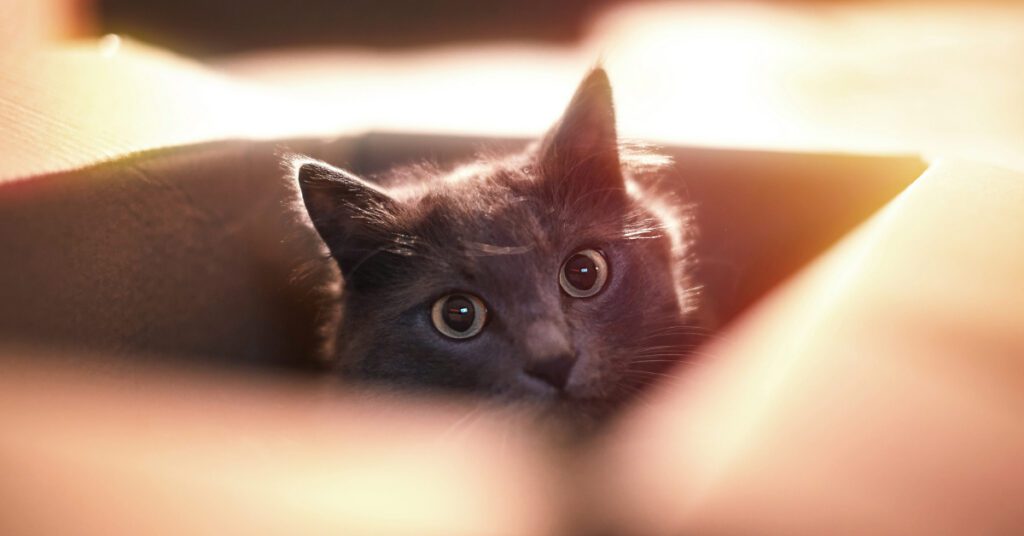
Why Do Cats Suddenly Start Hiding?
Hiding is a natural instinct for cats, so the first step is separating everyday stress from something more serious.
Everyday Triggers in the Home
Cats thrive on routine, and even small changes can rattle them. A new roommate, a visiting relative, a remodeling project, or a rearranged living room can all send a cat looking for a safe spot. Thunderstorms, fireworks, and vacuum cleaners often have the same effect. Most of the time, a stressed cat settles down within a day or two once the disruption passes. When you see a cat hiding after one of these events, the timing is a useful clue to share with your veterinarian. Cats also differ in temperament, so a shy cat may bolt at the first sign of change while a confident one barely reacts.
- A new person, baby, or pet in the household
- Loud noises such as storms, fireworks, or construction
- A move, a remodel, or new furniture
- Changes to feeding times, litter, or daily schedule
- Tension with another cat in the home
Fear and Social Stress
Conflict between cats is a frequent and easily missed trigger. One cat may quietly bully another, guard the litter box, or block access to food. Even a stray cat spotted through a window can unsettle an indoor cat enough to send it into hiding. Because cats rarely show stress with obvious signs, the only change you notice may be an empty spot where your cat used to nap.
When Hiding Is Really a Pain Signal
In the wild, an injured or sick animal looks like easy prey, so cats instinctively conceal weakness and retreat to a hidden place. That instinct survives in our house cats. If you cannot point to a trigger, or the hiding lasts more than a day, treat it as a possible health warning and call your veterinarian.
What Medical Conditions Can Cause a Cat to Hide?
A wide range of illnesses and injuries can make a cat withdraw, and many look alike at first glance.
Urinary and Digestive Problems
Urinary tract disease is a leading reason cats become secretive. Inflammation, crystals, or stones can make urinating painful, and a blockage, which affects male cats most often, can become life-threatening quickly. Digestive upset, constipation, and intestinal blockages can cause cramping and nausea that send a cat to a quiet corner. A cat who hides and also visits the litter box repeatedly without producing much urine needs immediate care.
Pain, Injury, and Infection
Dental disease, bite wound abscesses, fractures, and arthritis all cause discomfort that a cat may hide rather than display. A cat who has been outdoors may have had a fight or an encounter with a car, even if no visible wound appears. Infections can also cause fever and fatigue, which leave a cat wanting to be left alone.
Chronic and Whole-Body Illness
Slower-moving conditions can change a cat’s behavior long before other symptoms appear. Your veterinarian will consider the following possibilities when a cat starts hiding:
- Urinary tract disease or blockage
- Dental pain or mouth infections
- Abscesses, fractures, or other injuries
- Kidney disease, hyperthyroidism, or diabetes
- Upper respiratory infections
- Constipation or gastrointestinal upset
Older cats are especially prone to these conditions, so a senior cat hiding all of a sudden should be examined sooner rather than later. Only testing can identify which of these problems, if any, is behind your cat’s behavior. Remember that a cat hiding suddenly is a symptom, not a diagnosis, and the underlying cause can range from minor to serious. That uncertainty is exactly why a prompt exam matters, especially when the hiding comes with changes in eating, drinking, or bathroom habits.
When Does a Hiding Cat Need Urgent Care?
Some hiding is harmless, but certain accompanying symptoms mean you should not wait for an appointment next week.
Warning Signs to Watch For
Go to Frontier Veterinary Urgent Care if your cat is hiding and also shows any of these signs:
- Straining or crying in the litter box, or producing little or no urine
- Refusing food or water for 24 hours or longer
- Rapid or open-mouth breathing
- Repeated vomiting or diarrhea
- Pale, gray, or yellow-tinged gums
- Limping, swelling, or yelping when touched
- Weakness or collapse
Call ahead at 262-226-2055 and our team can offer guidance on the next best steps for your cat.
How Behavior Changes Add Context
Hiding rarely tells the whole story on its own, so look at what else has shifted. A cat hiding all of a sudden who also stops grooming, growls when approached, or avoids the litter box is communicating that something hurts. A cat who comes out for meals and cuddles at night is more likely reacting to stress. Both patterns deserve a veterinary opinion if they continue past a day or two, because only an exam can tell the two apart with confidence.
Why Cats Cannot Afford a Long Wait
Cats can decline fast, and a urinary blockage can turn dangerous within a day or two. Because cats hide symptoms so well, the point at which an owner notices a problem is often later in the illness than it seems. Please do not give your cat any human medication, since many common drugs are toxic to cats, and do not try to treat the problem at home.
Getting Ready to Go
Move calmly and quietly when you approach your cat. A secure carrier lined with a soft towel helps your cat feel protected during the ride. Calling ahead lets the clinic prepare for your arrival so your cat is seen promptly. If you can, take a quick photo or note of any vomit, litter box changes, or visible injuries to show the veterinarian.
What Happens at the Vet When a Cat Is Hiding?
A visit for a hiding cat focuses on finding the reason, and the process is usually simpler than owners expect.
The Exam and Your Observations
Your veterinarian will begin with questions. How long has your cat been hiding? Has the appetite, water intake, or litter box routine changed? Has anything new entered the home? Then comes a hands-on exam, which includes checking weight, temperature, gums, mouth, belly, joints, and heartbeat. Your answers and the exam findings guide the next steps, so share every detail you have noticed, even if it seems small.
Diagnostic Testing
Depending on what the exam reveals, your veterinarian may recommend bloodwork, a urinalysis, X-rays, or ultrasound. These tests can uncover problems such as infection, kidney trouble, thyroid disease, or a blockage that cannot be seen from the outside. If your cat needs advanced imaging or specialist care, your veterinarian will explain the options and refer you when appropriate. Treatment depends entirely on the diagnosis, and our team will walk you through costs, timelines, and what to expect.
Easing Your Cat’s Stress at the Clinic
Many cats find vet visits frightening, which is one reason owners delay them. A few small steps help: drape a light towel over the carrier, bring a familiar blanket, and stay calm yourself, because cats pick up on tension. A gentle, low-stress approach from our veterinary team also makes it easier to get accurate exam results from a nervous patient.
Common Myths About Hiding Cats, Set Straight
A few widely held beliefs lead owners to wait longer than they should.
Myth: Cats hide because they are shy, so it will pass. Shyness is a lifelong trait. A brand-new retreat is a change from your cat’s normal, and change is what veterinarians pay attention to.
Myth: If my cat is still eating, nothing serious is wrong. Many illnesses, including dental and urinary problems, leave a cat’s appetite intact in the early stages. Hiding can show up well before eating habits change.
Myth: A vet visit for a hiding cat is an overreaction. Hiding is one of the earliest and most reliable signs cats give. Our team at Frontier Veterinary Urgent Care in Greenfield, WI, would much rather examine a cat who turns out to be fine than meet one whose owner waited too long.