
My Dog Is Weak in the Back Legs: What Could Be Causing It?
A dog weak in back legs is showing you that something has changed, and the cause can range from sore joints to a spinal or nerve problem that needs fast attention. Maybe your pup stumbles on the stairs, struggles to rise from a nap, or drags a paw on walks. Any of those signs deserves a call to your veterinarian. At Frontier Veterinary Urgent Care in Greenfield, WI, we meet worried families every week who are concerned about a dog that’s weak in back legs, and their first question is almost always the same: how serious is this? This blog walks through the most common causes, the warning signs that point to an emergency, and what happens during an exam. Understanding the possibilities helps you make a confident, timely decision for your best friend.
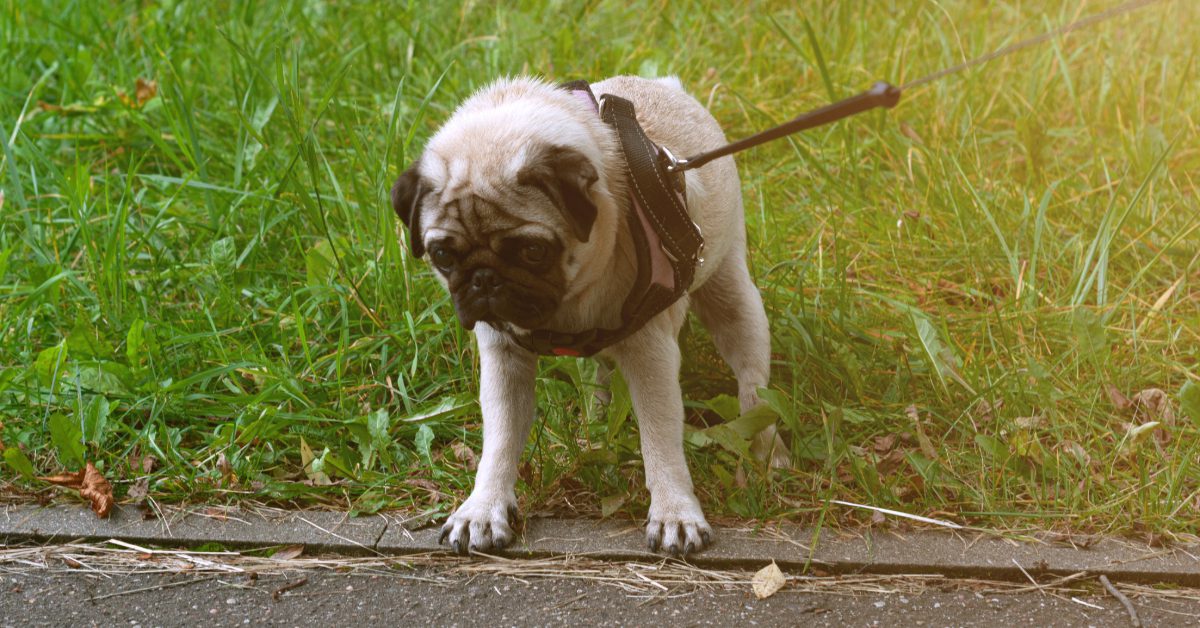
What Causes Sudden Weakness in a Dog’s Back Legs?
Rear leg weakness can start in the spine, the joints, the nerves, or even elsewhere in the body, so the list of possible causes is long.
Spinal and Disc Conditions
The spinal cord carries signals from the brain to the hind legs, so any problem along that pathway can leave a dog weak in their back legs. Intervertebral disc disease happens when a cushioning disc bulges or ruptures and presses on the spinal cord. It is especially common in long-backed breeds such as dachshunds and corgis, though any dog can be affected. Degenerative myelopathy, a slowly progressing spinal cord disease, usually appears in older dogs and often begins with a wobbly rear end. Fibrocartilaginous embolism, sometimes called a spinal stroke, can cause abrupt weakness on one side of the body, often with little obvious pain.
Joint and Orthopedic Problems
Hip dysplasia, arthritis, and torn cranial cruciate ligaments in the knee all reduce a dog’s ability to support weight on the hind limbs. These conditions can look like weakness even when the nerves and muscles are working normally. A dog may bunny hop when running, sit with both legs tucked to one side, or hesitate before jumping into the car. Pain in the hips or knees can also make a dog reluctant to put full weight on a leg, which can resemble a partial collapse.
Nerve, Muscle, and Circulation Issues
Disorders of the nerves outside the spinal cord can cause a gradual loss of strength, and diseases that affect the muscles can produce a similar picture. In some cases, a blood clot blocks circulation to the hind limbs and triggers sudden weakness, cool paws, and significant pain. That situation requires immediate veterinary care.
Whole-Body Illness
Problems elsewhere in the body can weaken a dog’s rear end too. Infections, tick-borne disease, low blood sugar, electrolyte imbalances, hormone disorders, and toxin exposure can all cause generalized weakness that shows up first in the back legs. Because so many causes overlap, only a hands-on exam and diagnostic testing can tell them apart.
When Is Back Leg Weakness in Dogs an Emergency?
Some causes of back leg weakness in dogs develop slowly, while others can threaten your dog’s mobility within hours.
Signs That Call for Immediate Care
Treat the following signs as emergencies and head to Frontier Veterinary Urgent Care right away:
- A sudden inability to stand or walk
- Dragging or knuckling of one or both back paws
- Crying out, yelping, or flinching when touched or moved
- Loss of bladder or bowel control
- Weakness that follows a fall, collision, or other trauma
- Pale gums, labored breathing, or collapse
- Repeated vomiting or a swollen, tight belly alongside the weakness
Timing matters most with spinal cord injuries. The sooner your veterinarian evaluates your dog, the more treatment options may be available.
Signs That Still Deserve a Prompt Visit
Gradual changes matter too. If your dog tires faster on walks, slips on hard floors, sits down in the middle of a stroll, or struggles on the stairs, schedule an exam within a day or two. Mild, slowly worsening weakness often points to arthritis, an orthopedic problem, or a progressive condition, and early diagnosis opens more management options for your dog.
Why Waiting It Out Can Backfire
Dogs instinctively hide discomfort, so a dog weak in back legs may be hurting more than they let on. Hoping the problem passes on its own can give a treatable condition time to progress. If you are unsure whether your dog’s symptoms are urgent, call Frontier Veterinary Urgent Care at 262-226-2055 and describe what you see. Our team can help you decide whether to come in right away.
How Do Veterinarians Diagnose Hind Leg Weakness in Dogs?
Diagnosis starts with a careful look at your dog’s history, movement, and nerve function.
The Physical and Neurological Exam
Your veterinarian will watch your dog walk, check the joints for pain or looseness, and test reflexes and paw placement. These simple checks show whether the problem likely comes from a joint, a nerve, or the spinal cord. Expect questions about when the weakness began, whether it came on suddenly, and whether your dog has had a recent injury, illness, or change in appetite and energy. Every detail helps narrow the list of suspects.
Imaging and Lab Work
Depending on the exam findings, your veterinarian may recommend X-rays to look at the hips, knees, and spine, along with bloodwork to check for infection, organ trouble, or metabolic problems. Some conditions, such as disc disease, may call for advanced imaging like a CT scan. If your dog needs that level of care, your veterinarian can explain the findings and refer you to the right specialist.
Treatment Planning
Once the cause is clear, your veterinarian will outline a plan that fits your dog’s diagnosis, age, and lifestyle. Options vary widely, from pain management and activity restrictions to rehabilitation or surgery. Because treatment depends entirely on the underlying condition, please avoid giving over-the-counter or human pain relievers before an exam. Many of these medications are toxic to dogs. Ask your veterinarian any questions you have about costs, recovery time, and what to expect at each stage so you feel comfortable with the path ahead.
What Should You Know Before Your Dog’s Visit?
A little preparation helps your veterinary team reach answers faster.
Dogs With a Higher Risk
Age, breed, and body weight all influence risk. Large breeds such as German shepherds and Labrador retrievers are prone to hip dysplasia and degenerative myelopathy, while dachshunds, beagles, and corgis face higher odds of disc disease. Overweight dogs put extra strain on every joint, and senior dogs naturally lose muscle mass over time. Still, back leg weakness can strike any age or breed, so never assume your dog is too young or too healthy to be affected.
What to Share With Your Veterinarian
Before you arrive, jot down a few details. The more precise your observations, the more useful they are during the exam:
- When you first noticed the weakness, and whether it appeared suddenly or gradually
- Whether one back leg or both are affected
- Any recent falls, rough play, or car accidents
- Changes in appetite, thirst, urination, or bowel movements
- Current medications, supplements, and flea and tick prevention
- A short phone video of your dog walking, if you can record one safely
Call ahead when possible so our team can prepare for your arrival. If your dog seems unsteady, move them gently and avoid forcing them to walk.
Quick Answers Can Protect Your Dog’s Mobility
You know your dog’s normal gait better than anyone. A slower rise from the dog bed, a wobble on the porch steps, or a back foot that scuffs along the sidewalk can all be early clues worth mentioning to a professional. Many of the conditions behind a dog weak in back legs respond better when they are caught early, and your observations are the starting point for that conversation.
If you are worried, our team at Frontier Veterinary Urgent Care in Greenfield, WI, is ready to listen, examine your dog, and talk through what comes next. Call us at 262-226-2055 with what you are seeing, and we will help you choose the right next step for your pet.