
How to Remove a Tick from a Cat
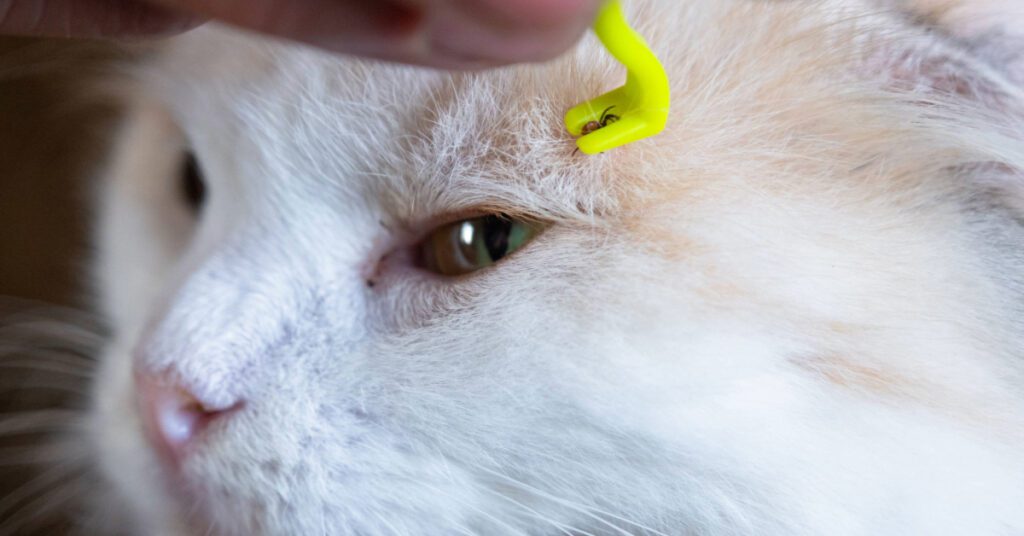
Knowing how to remove a tick from a cat is something every cat owner should be prepared for, especially during spring and summer when tick activity is at its peak. The correct method involves using fine-tipped tweezers or a tick removal tool to grasp the tick as close to the skin as possible and pulling it out with slow, steady pressure. It sounds simple, and it is, once you know what to do. This guide walks you through the process step by step and explains when to call a vet.
Can Cats Get Ticks?
Yes, cats can get ticks and while cats that spend time outdoors are at the highest risk, indoor cats are not entirely immune. Ticks can be carried into the home on clothing, shoes, other pets, or wildlife that comes close to windows and doors. Cats are generally more effective self-groomers than dogs, which means they sometimes remove ticks on their own, but this also means you may find half-embedded or recently detached ticks without realizing your cat was ever bitten.
What You Need Before You Remove a Tick from a Cat
Gathering the right supplies before you start makes the process safer and more effective. You’ll need:
- Fine-tipped tweezers or a commercially available tick removal tool
- Rubbing alcohol or antiseptic wipes
- A small sealed container or zip-lock bag (to save the tick for identification if needed)
- Gloves (optional but recommended)
Do not use petroleum jelly, nail polish, heat, or any other home remedy to try to force the tick to detach. These methods are not effective and may actually cause the tick to release harmful secretions into the bite site, increasing the risk of disease transmission.
Step-by-Step: How to Remove a Tick from a Cat
Once you have your supplies ready, follow these steps carefully to remove the tick safely and completely.
Step 1: Calm Your Cat
Ticks on cats can be found in spots that are difficult to reach, and your cat will likely be uncomfortable with you handling those areas. Wrap your cat gently in a towel if needed to limit movement, and have another person help hold the cat still if possible. Speak in a calm, soothing tone throughout.
Step 2: Part the Fur to Expose the Tick
Use your fingers to gently part the fur around the tick until you can clearly see the tick’s body and where it has attached to the skin. Good lighting is essential. Use a flashlight or take your cat near a window if needed.
Step 3: Grasp the Tick Close to the Skin
Using fine-tipped tweezers or a tick removal tool, grasp the tick as close to your cat’s skin as possible. Avoid squeezing the tick’s body as doing so can cause it to release more bacteria into the bite wound.
Step 4: Pull Steadily and Slowly
Pull upward with slow, steady pressure in a straight line. Do not twist, jerk, or spin the tick. The goal is to remove the entire tick, including the head and mouthparts, in one clean motion. If the mouthparts remain in the skin, do not try to dig them out. Note the location and monitor it. In most cases, the residual parts will work their way out on their own, but if the site becomes inflamed or infected, have a veterinarian evaluate it.
Step 5: Clean the Area and Your Hands
Once the tick is removed, clean the bite site with rubbing alcohol or an antiseptic wipe. Wash your hands thoroughly. Place the tick in a sealed container or bag. If your cat develops symptoms in the weeks following the bite, having the tick available for identification can help your veterinarian make a faster diagnosis.
Where to Check Your Cat for Ticks
Ticks on cats are often found in areas where the skin is thin and warm, and where the tick is less likely to be dislodged during grooming. Common hiding spots include:
- Around and inside the ears
- Under the collar
- Between the toes
- Around the tail and under the chin
- In the groin and armpit areas
Check these spots after any outdoor time, especially during tick season (spring through fall in Wisconsin). Even indoor cats benefit from periodic checking if they have access to a porch, patio, or screened-in area where wildlife may come close.
Tick-Borne Diseases in Cats
Cats are less commonly diagnosed with tick-borne illness than dogs, but it does happen. Cytauxzoonosis (caused by Cytauxzoon felis) is the most severe tick-borne disease in cats and can be fatal if untreated. Fortunately, this disease is more common in southern states, though tick-borne illnesses like tularemia and anaplasmosis have been reported in cats in the Midwest.
After finding and removing a tick from your cat, monitor your pet for the following symptoms over the next two to four weeks:
- Fever or change in body temperature
- Lethargy or unusual fatigue
- Loss of appetite
- Swollen lymph nodes
- Lameness or joint pain
If you notice any of these signs, contact a veterinarian promptly. Early diagnosis and treatment significantly improve outcomes for tick-borne illness.
When to See a Vet After Removing a Tick from a Cat
In most cases, if you successfully remove the tick and the bite site looks clean, you can monitor your cat at home. However, you should contact a veterinarian if:
- You were unable to remove the tick completely
- The bite site becomes red, swollen, warm, or develops a discharge
- Your cat develops any of the symptoms listed above in the weeks following the bite
- You’re not sure whether what you found is actually a tick
At Frontier Veterinary Urgent Care in Greenfield, WI, our team regularly assists with tick removal and evaluates pets for tick-related concerns. If you’re unsure about anything you find on your cat, we’d rather you call and ask than wait and worry.
Tick Prevention for Cats: A Better Long-Term Strategy
Removing a tick from a cat is something you may have to do occasionally, but tick prevention is the goal. Talk to your primary veterinarian about topical or oral tick preventives that are safe for cats, and always double-check that any product you use is specifically labeled for cats, since some canine tick preventives (particularly those containing permethrin) are highly toxic to cats and can be fatal.
Regular grooming, coat inspection after outdoor time, and keeping your yard trimmed are all practical ways to reduce tick exposure. The team at Frontier Veterinary Urgent Care in Greenfield is happy to answer questions about tick prevention and can help you establish a parasite prevention plan that fits your cat’s lifestyle. Call us at 262-226-2055 today.